
AI Journey for Women 50+
The AI for Real Life After 50 Blog
Welcome to the AI Journey for Women 50+ blog, where you’ll find practical ideas, simple how-to guides, and honest conversations about using AI in everyday life. Learn how to save time, solve problems, build confidence, and explore what comes next.

Learn.
Simplify.
Create.
Thrive
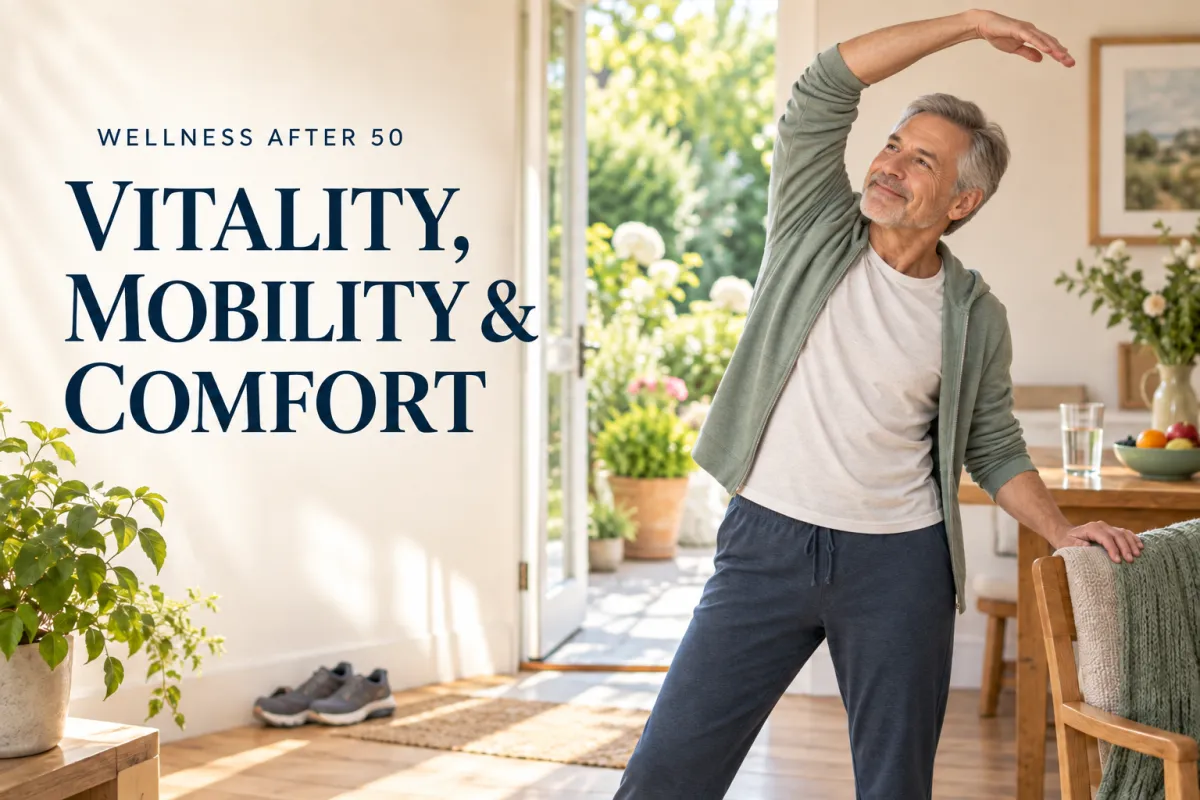
Vitality, Mobility and Comfort After 50 Start With the Basics
Vitality, Mobility and Comfort After 50 Start With the Basics
Wellness after 50 does not have to mean chasing complicated routines, rigid diets or the latest health trend. Often, the habits that make the biggest difference are the familiar ones: moving regularly, eating foods that help you feel nourished and giving your body enough time to rest.
The goal is not to perform like you did at 25. It is to support the life you want now—whether that means walking comfortably through the grocery store, playing with your grandchildren, tending your garden or simply having enough energy to enjoy the day.
Move in Ways That Support Everyday Life
Movement is not only about burning calories. It helps support the strength, balance and flexibility used in ordinary activities such as getting out of a chair, carrying groceries, climbing stairs and reaching into a cupboard.
The Centers for Disease Control and Prevention recommends that adults 65 and older include aerobic activity, muscle-strengthening exercise and balance activities throughout the week. However, it also emphasizes that some activity is better than none and that movement should match your abilities and health conditions. CDC physical activity guidance for older adults
You do not have to complete a long workout for movement to count. Consider starting with:
A five- or ten-minute walk
Gentle stretching after sitting
Standing up and sitting down from a sturdy chair
Light resistance bands or hand weights
Gardening, dancing or water exercise
Balance practice beside a stable counter or chair
Choose something you enjoy and can repeat. Consistency is more useful than an ambitious routine that leaves you sore, discouraged or ready to hide your walking shoes.
Nourish Your Heart and Everyday Energy
Healthy eating does not require a picture-perfect plate at every meal. Look for small ways to include more foods that provide lasting nourishment.
The American Heart Association recommends an overall eating pattern that includes vegetables, fruits, whole grains, healthy protein sources and minimally processed foods while limiting excessive sodium, added sugars and saturated fats. American Heart Association dietary guidance
Practical changes might include adding berries to breakfast, choosing whole-grain bread, serving a vegetable with dinner or keeping beans, eggs, yogurt, nuts or other convenient protein sources available. Fresh produce is wonderful, but frozen and low-sodium canned options can also make balanced meals easier and more affordable.
Rather than trying to change everything at once, improve one meal or snack you already eat regularly. Wellness should fit into real life, not require a complete kitchen personality transplant.
Give Sleep the Attention It Deserves
Sleep can affect how energetic, steady and mentally refreshed you feel the next day. The National Institute on Aging notes that adults generally need about seven to nine hours of sleep each night, although individual needs and sleep patterns vary. National Institute on Aging sleep guide
A few supportive habits include:
Keeping a fairly consistent bedtime and wake time
Creating a quiet, comfortable sleeping environment
Limiting late-day caffeine
Allowing time to unwind before bed
Getting daylight and regular movement during the day
Occasional restless nights happen. But ongoing sleep difficulty, loud snoring, breathing interruptions or persistent daytime exhaustion deserve a conversation with a healthcare professional.
Begin With One Supportive Change
You do not need to overhaul your life this week. Choose one manageable action: take a short walk, add a nourishing food to lunch or begin your evening routine 20 minutes earlier.
Vitality is not built through perfection. It grows through ordinary choices that help you keep moving, stay engaged and remain connected to the life you value.
This article is for general educational purposes and is not a substitute for individualized medical advice. Speak with a qualified healthcare professional before making significant changes to your activity, diet or health routine.

AI Journey For Women 50+ Membership!
This is your chance to explore something new, build real confidence, and feel supported every step of the way—inside a friendly, welcoming and more importantly, a FUN community

"I help women fifty, sixty and over live a little easier, using AI in ways that actually fit your day. You learn by doing, on your real moments, not theory, so you spend less time stuck, and more time living.
© AI Journey for Women 50+. 2026. All Rights Reserved.